
Keeping it healthy and balanced
An important part of my food philosophy is to encourage everyone to remember these two important words: moderation and variation.
I always say: ‘when you follow a balanced way of eating by including a good variety of foods you can eat almost anything, as long as you do it in moderate portions.
Another way to look at it, is to follow the 80:20 rule. When you enjoy healthy meals and snacks for 80% of the time, then it’s all ok if you treat yourself to something less nutritious for the remaining 20% of the time. Following this lifestyle also limits you from feeling deprived, as this often leads to overindulging at a later stage. Healthy eating should be a way of life and NOT a diet. When eating balanced meals, there’s also a bigger chance that these will fill you up for longer, give you more energy and keep your blood sugar levels stable.
HOW do I do that?
Easy, just think ‘eat the rainbow’!
Make sure to include food from each important food group every day. The most important food groups are proteins, fruit and vegetables, unrefined high-fibre carbohydrates (starches and sugars) and healthy fats.
By keeping it as colourful as possible, you will already include a good variety of vitamins, minerals, antioxidants, fibre and other wholesomeness. The more colour, the more goodness.
Even just a seasonal fruit as part of your meal or lunchbox will make a difference already, rather than another slice of bread.
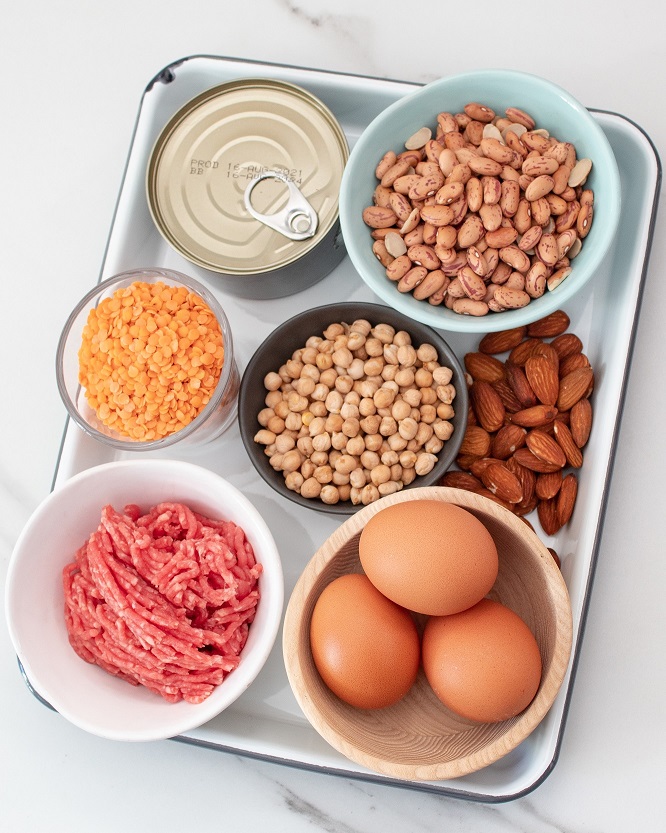
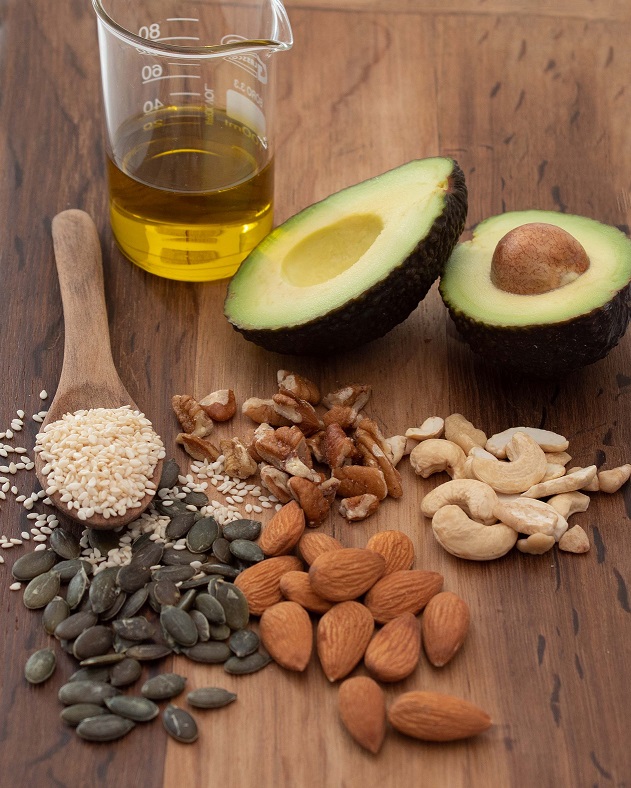
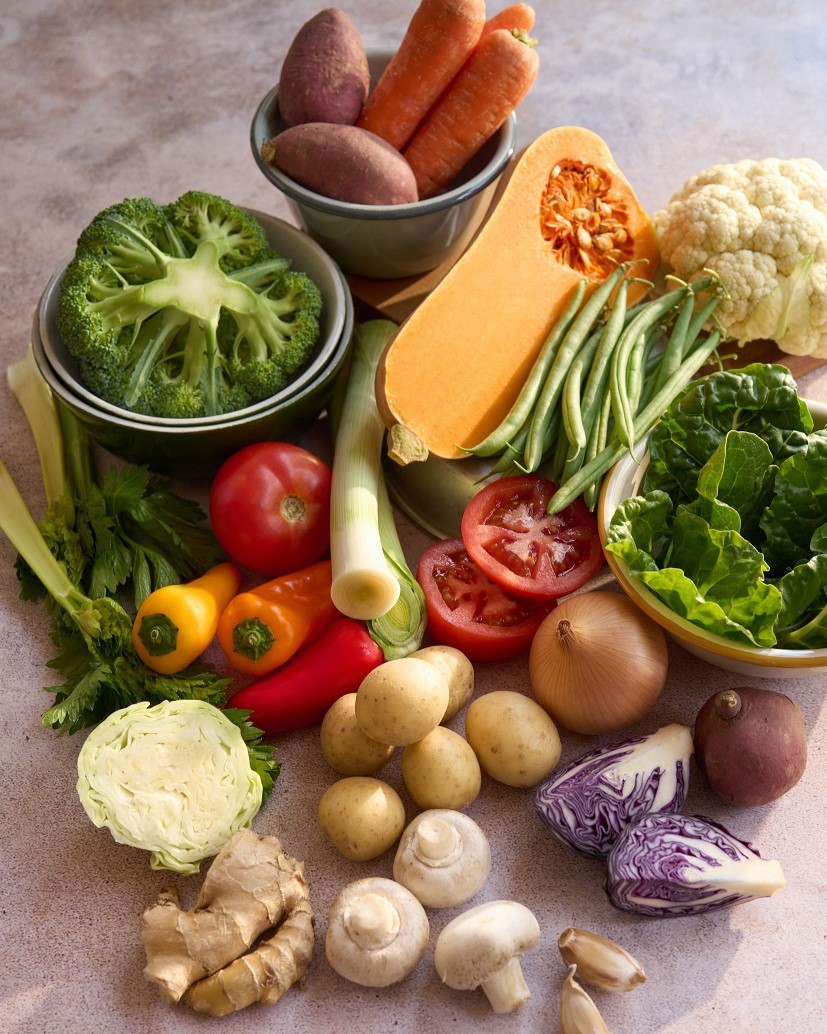
Use the plate model image below as a guide to plan your meals and when dishing up at the table:
½ your plate should be filled with fresh veggies & fruit; and ideally half of that should be raw,
a ¼ of your plate should be protein and,
no more than a ¼ should be filled with high-fibre, unrefined starch,
with a small portion of healthy fats, like nuts, seeds or avocado, included.

Remember: by eating a variety of foods from different sources, you provide your body with a range of vital nutrients (important building blocks for your health).
For instance, get your protein from chicken, fish, red meat, eggs and pulses throughout the week – each source contributes different important food components and not just protein.
The size of the palm of your hand is often used as a broad guide for a portion of protein.
I know it can be tricky to plan your meals, let alone keep them balanced and colourful. Let’s start somewhere. I would like to show you what I typically eat in a day, to try and give you a practical example.
Breakfast: bowl of fruit with yoghurt and chia seeds or homemade muesli
Lunch: a salad made from last night’s protein, salad ingredients, toasted sunflower seeds, and perhaps a fruit for ‘dessert’
Supper: chicken with roasted veggies on fresh baby spinach leaves
Snacks: a handful of nuts or two rice cakes with peanut butter
See my blog on Meal planning and the Shopping list and pantry staples, to make your weekly menu planning easier.
The Recipe pages on the website is a treasure trove of ideas for delicious family meals.